Countries with better, bigger, and more competitive concert venues have reaped economic benefits, especially with the massive and significant influence of popular international acts like pop superstar Taylor Swift’s Eras Tour and Coldplay’s World Tour in consumer behavior and spending.
Driving tens of thousands of ‘Swifties’ and concert enthusiasts, the success of these concerts was an economic stimulus for countries worldwide, including Southeast Asian countries such as Singapore and Japan. Filipino fans alike had to spend big and travel miles to watch the exclusive performance of superstar Swift in Singapore’s National Stadium while others went to Japan’s Tokyo Dome and Sydney’s Accor Stadium in Australia. The massive concert gigs boosted the respective country’s economies, benefitting entertainment, hospitality, retail, and transport industries significantly.
While Singapore’s strategy for a Southeast Asia exclusive Swift performance piqued interest and likewise piqued its neighboring countries, the strategic move sparked conversations and brought to light what the Philippines can improve on in terms of concert venues.
1. Location is key
The Philippines doesn’t lack in big venues. In fact, it boasts of venues that can rival Singapore’s National Stadium and Japan’s Tokyo Dome. Accessibility to the location as well as public transportation and nearby commercial establishments are key.
2. Concert Experience
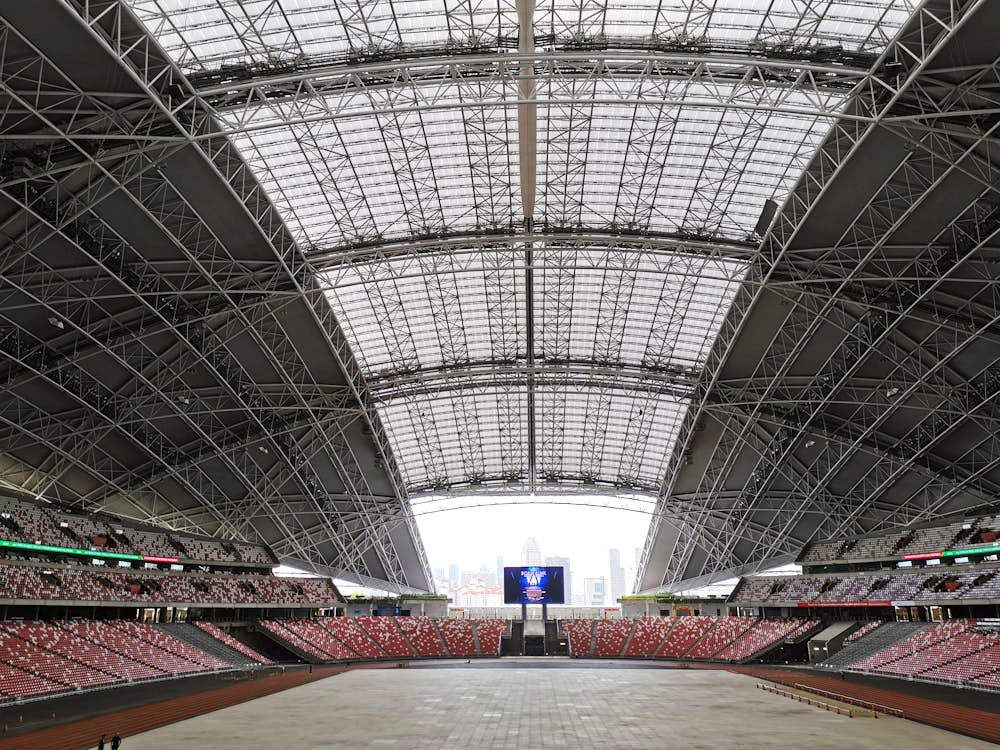
Photo credit to Stanley Quek.
An empty Singapore National Stadium, viewed from the front stage.
Singapore’s pride, the National Stadium, has innovative features such as the world’s largest free-spanning dome, a retractable roof and comfort cooling technology for spectators’ convenience. Its innovation, strategic location, and efficiency bring positive and immersive experiences for enthusiasts and concert fans, making it a magnet for entertainment acts from all over the world. A similar concert venue and experience is something that Filipino concertgoers are hoping the country can replicate.